
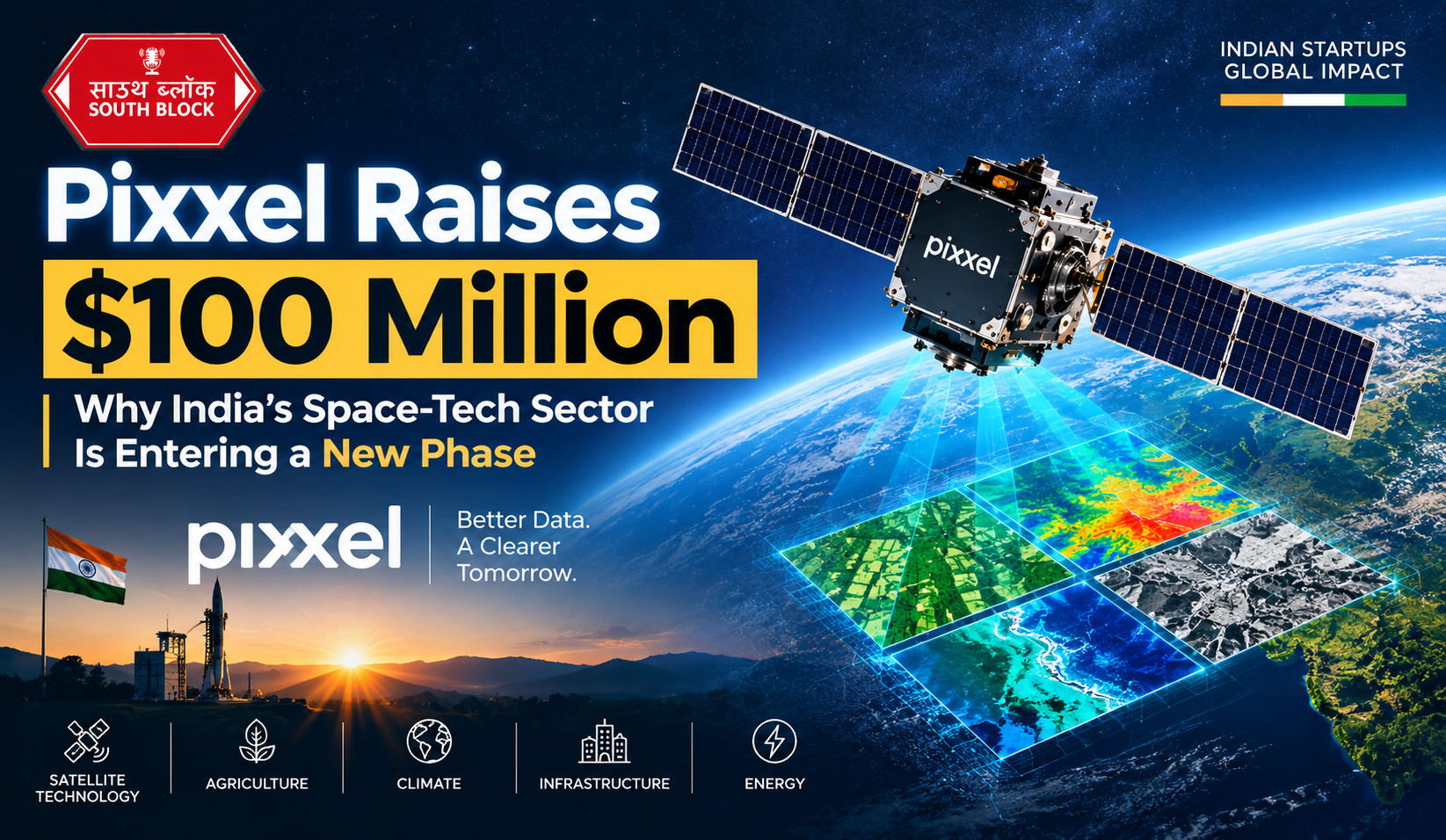
Pixxel ने जुटाए $100 Million: भारत के Space-Tech Sector में क्यों शुरू हुआ नया दौर?
Pixxel Raises $100 Million: भारत का space sector लंबे समय तक मुख्य रूप से government-led ecosystem के रूप में देखा जाता था। लेकिन पिछले कुछ वर्षों में private companies और startups ने इस तस्वीर को तेजी से बदलना शुरू किया है।
अब इसी बदलते landscape में एक बड़ी खबर सामने आई है।
Indian space-tech company Pixxel ने $100 million की Series C funding raise की है। 7 September 2026 को announced इस funding round को Singapore-based Temasek और UK-based Seraphim ने co-lead किया। इस investment के बाद Pixxel की total funding बढ़कर $195 million हो गई है। Company के अनुसार यह किसी Indian space technology company द्वारा उठाया गया सबसे बड़ा single funding round है।
लेकिन सवाल सिर्फ यह नहीं है कि Pixxel को $100 million क्यों मिले?
बड़ा सवाल यह है कि:
क्या यह funding India के Space-Tech sector के लिए एक नए phase की शुरुआत का संकेत है?
इसका जवाब समझने के लिए Pixxel के business और उसकी अगली technology plans को समझना जरूरी है।
Pixxel Raises $100 Million
Pixxel की शुरुआत hyperspectral satellite imaging पर focus के साथ हुई थी।
आसान भाषा में समझें तो सामान्य satellite images में हमें Earth की surface दिखाई देती है, लेकिन hyperspectral imaging अलग-अलग spectral bands के जरिए ऐसी information capture कर सकती है जिसे conventional imagery से आसानी से identify करना मुश्किल होता है।
Pixxel अब केवल satellite imagery company नहीं रहना चाहती।
Company अपनी capabilities को Earth intelligence software, satellite systems, sovereign space systems और satellite manufacturing तक expand कर रही है। यही बदलाव इस funding round को खास बनाता है।
नई funding के जरिए company चार प्रमुख areas पर focus करने की योजना बना रही है:
- Advanced satellite sensing
- Earth intelligence software
- Sovereign Earth observation systems
- Satellite manufacturing
इसका मतलब है कि Pixxel satellite data collect करने से आगे बढ़कर data को actionable intelligence में बदलने वाले complete ecosystem की तरफ बढ़ रही है।
Pixxel का अगला बड़ा लक्ष्य क्या है?
Pixxel Raises $100 Million: Pixxel की नई funding का एक बड़ा हिस्सा उसकी next-generation Honeybee hyperspectral constellation को develop करने में इस्तेमाल किया जाएगा।
Company के मुताबिक Honeybee satellites hyperspectral sensing को आगे बढ़ाएंगे और इसमें Shortwave Infrared (SWIR) capabilities के साथ-साथ Synthetic Aperture Radar (SAR) और ultra-high-resolution optical imaging जैसी technologies को भी जोड़ा जाएगा।
पहला Honeybee satellite 2027 में launch होने की उम्मीद है।
यह development इसलिए महत्वपूर्ण है क्योंकि satellite technology में केवल अधिक images लेना ही पर्याप्त नहीं है।
असल value तब बनती है जब satellite data को analyse करके governments, businesses और institutions को decision-ready information मिल सके।
Earth Intelligence क्या है और यह इतना महत्वपूर्ण क्यों है?
“Earth Intelligence” सुनने में थोड़ा technical लग सकता है, लेकिन इसका basic idea काफी simple है।
Satellites लगातार Earth की surface से data collect कर सकते हैं। इस data का analysis करके agriculture, climate, infrastructure, environment, energy और कई दूसरे sectors में बेहतर decisions लिए जा सकते हैं।
उदाहरण के लिए satellite data का इस्तेमाल किया जा सकता है:
- Crop health monitor करने में
- Forest और environmental changes समझने में
- Infrastructure monitoring में
- Illegal mining जैसी activities detect करने में
- Climate-related changes track करने में
- Natural resources की monitoring में
- Large-scale industrial assets को monitor करने में
Pixxel Raises $100 Million: Pixxel अपनी hyperspectral technology को agriculture, climate, energy और infrastructure जैसे sectors में उपयोग करने की दिशा में काम कर रही है।
यानी satellite सिर्फ ऊपर से तस्वीर लेने वाला camera नहीं रह जाता।
वह एक ऐसा data source बन सकता है जिससे organisations जमीन पर बेहतर decisions ले सकें।
Pixxel की Aurora Technology क्यों महत्वपूर्ण है?
Pixxel की strategy में satellite hardware के साथ-साथ software भी महत्वपूर्ण भूमिका निभाता है।
Company ने Aurora नाम का Earth intelligence software platform विकसित किया है, जिसका उद्देश्य अलग-अलग datasets को एक साथ लाकर उन्हें decision-ready insights में बदलना है।
यही approach Pixxel के business model को interesting बनाती है।
एक तरफ company satellites और sensors develop कर रही है।
दूसरी तरफ वह satellite data को software और intelligence layer के जरिए useful information में बदलना चाहती है।
इससे company का focus केवल:
Satellite → Data
तक सीमित नहीं रहता।
बल्कि model कुछ इस तरह बनता है:
Satellite → Data → Intelligence → Decision
और यही space-tech industry के commercial future का एक बड़ा हिस्सा हो सकता है।
India के Space-Tech Sector के लिए यह Funding क्यों बड़ी खबर है?
Pixxel Raises $100 Million: Pixxel की funding को केवल एक startup funding announcement के रूप में देखना सही नहीं होगा।
इसका broader significance India के growing private space ecosystem से जुड़ा है।
भारत में private space companies की संख्या पिछले कुछ वर्षों में तेजी से बढ़ी है। Financial Express की recent reporting के अनुसार 2026 तक India का private space ecosystem 400 से अधिक companies तक पहुंच चुका है और sector में investment तथा policy support भी बढ़ा है।
अब startups केवल rockets बनाने तक सीमित नहीं हैं।
वे काम कर रहे हैं:
- Satellite manufacturing
- Earth observation
- Space data
- Launch vehicles
- Propulsion
- Space situational awareness
- Satellite communications
- Defence-related technologies
- Space-based applications
इससे India का space sector धीरे-धीरे एक broader commercial ecosystem की तरफ बढ़ रहा है।
Private Space Companies के बढ़ने से India को क्या फायदा होगा?
Private participation बढ़ने का सबसे बड़ा फायदा competition और innovation हो सकता है।
जब अलग-अलग companies नए technologies और business models पर काम करती हैं, तो innovation की speed बढ़ सकती है।
इसके साथ कई नए opportunities भी पैदा हो सकते हैं।
1. New Jobs
Space-tech ecosystem में केवल scientists और engineers की जरूरत नहीं होती।
इस sector में demand हो सकती है:
- Software developers
- Data scientists
- AI professionals
- Electronics engineers
- Satellite engineers
- Product managers
- GIS specialists
- Cybersecurity professionals
- Business development professionals
2. Technology Development
Private investment companies को नए products और technologies develop करने के लिए capital उपलब्ध करा सकता है।
3. Global Competition
अगर Indian space startups international customers के लिए competitive products विकसित करते हैं, तो India global space economy में अपनी position मजबूत कर सकता है।
4. Commercial Applications
Space technology का फायदा केवल government missions तक सीमित नहीं रहता। Agriculture, insurance, infrastructure, environment और energy जैसे sectors भी satellite data का इस्तेमाल कर सकते हैं।
Pixxel Raises $100 Million
Pixxel की Journey यहां तक कैसे पहुंची?
Pixxel ने शुरुआत Earth observation और hyperspectral imaging से की थी।
Pixxel Raises $100 Million: Company ने पिछले दो वर्षों में छह Firefly satellites deploy किए हैं। इसके अलावा Aurora Earth intelligence software भी launch किया गया है।
Company के अनुसार उसे NASA और National Reconnaissance Office (NRO) से contracts भी मिले हैं और Indian Ministry of Defence के iDEX challenges में भी उसने सफलता हासिल की है। Pixxel को IN-SPACe के तहत India की first public-private Earth observation constellation के development के लिए भी select किया गया है।
इन developments से संकेत मिलता है कि company केवल startup funding के आधार पर नहीं, बल्कि technology और institutional partnerships के जरिए भी अपने ecosystem को expand कर रही है।
India की Space Economy के लिए अगला बड़ा मौका?
India का space sector अब केवल launch missions और scientific exploration तक सीमित नहीं रह गया है।
Commercial Earth observation, satellite communications, space manufacturing और space-based data services जैसे areas आने वाले वर्षों में बड़ा economic opportunity बन सकते हैं।
Recent industry reporting में India की space economy को आने वाले वर्षों में कई गुना बढ़ाने की ambition का उल्लेख किया गया है। Private companies इस expansion में महत्वपूर्ण भूमिका निभा सकती हैं।
Pixxel की funding इसी larger transformation का एक example है।
क्या Pixxel की Funding AI और Data Economy से भी जुड़ी है?
हाँ, और यही इस story का सबसे interesting हिस्सा है।
आज satellite से data collect करना relatively पहला step है।
असल competitive advantage यह हो सकता है कि उस data को AI, analytics और software के जरिए कितनी जल्दी useful information में बदला जाए।
Pixxel खुद अपने vision को sensors, software और space systems को जोड़ने वाली planetary infrastructure के रूप में describe करती है।
इसका मतलब future space companies केवल “space companies” नहीं रहेंगी।
वे simultaneously:
Space + AI + Data + Software + Manufacturing
का combination बन सकती हैं।
भारत में Space-Tech Startups के लिए इसका क्या मतलब है?
Pixxel की $100 million funding दूसरे Indian space startups के लिए भी एक positive signal हो सकती है।
जब international और institutional investors किसी Indian space-tech company में बड़ा investment करते हैं, तो इससे sector की visibility बढ़ती है।
यह जरूरी नहीं कि हर startup को इसी तरह की funding मिले।
लेकिन यह जरूर दिखाता है कि investors India के space ecosystem में commercial opportunity देख रहे हैं।
इसके साथ startups के सामने कुछ challenges भी रहेंगे:
- High technology costs
- Long development cycles
- Capital requirements
- Regulatory compliance
- International competition
- Satellite manufacturing complexity
- Commercial customer acquisition
इसलिए केवल funding हासिल करना पर्याप्त नहीं होगा।
Execution आने वाले वर्षों में सबसे बड़ा test होगा।
India का Space-Tech Future: सिर्फ Rockets से कहीं बड़ा
जब हम India के space sector के बारे में बात करते हैं तो अक्सर ISRO, rockets और satellite launches का ध्यान आता है।
लेकिन emerging private ecosystem picture को काफी बड़ा बना रहा है।
अब space economy में:
Satellites + Sensors + Software + AI + Data + Manufacturing + Applications
एक साथ जुड़ रहे हैं।
Pixxel इसी transition का एक interesting example है।
Company का नया focus बताता है कि future में space companies केवल hardware बनाने के बजाय complete intelligence platforms develop कर सकती हैं।
Students और Young Professionals के लिए क्या Opportunity है?
Space-tech sector के बढ़ने का मतलब यह भी है कि आने वाले समय में इस industry में केवल aerospace engineers की ही जरूरत नहीं होगी।
Technology-driven space ecosystem में अलग-अलग backgrounds के professionals की जरूरत होगी।
अगर कोई student इस sector में career बनाना चाहता है, तो वह इन areas पर ध्यान दे सकता है:
- Artificial Intelligence
- Machine Learning
- Data Science
- Programming
- Aerospace Engineering
- Electronics
- Remote Sensing
- GIS
- Cybersecurity
- Cloud Computing
- Product Management
- Business Analytics
इसलिए space industry में career का मतलब केवल rocket science नहीं है।
Space industry increasingly technology, data और software industry भी बन रही है।
Pixxel Raises $100 Million: 5 Key Takeaways
अगर इस पूरी खबर को पांच points में समझें, तो सबसे महत्वपूर्ण बातें हैं:
1. Pixxel ने $100 million Series C funding raise की है।
2. Funding round को Temasek और Seraphim ने co-lead किया।
3. Pixxel की total funding अब $195 million हो गई है।
4. Company hyperspectral imaging से आगे बढ़कर Earth intelligence, sovereign space systems और satellite manufacturing में expand कर रही है।
5. यह India के growing private space-tech ecosystem के लिए एक महत्वपूर्ण milestone है।
Final Verdict: क्या Pixxel की Funding India के Space-Tech Sector के लिए Turning Point है?
संभवतः हाँ—लेकिन असली कहानी अभी शुरू हुई है।
$100 million की funding अपने आप में बड़ी खबर है, लेकिन उससे ज्यादा महत्वपूर्ण है कि Pixxel इस capital का इस्तेमाल किस तरह करती है।
अगर company अपने satellite constellation, Earth intelligence platform, sovereign systems और manufacturing capabilities को सफलतापूर्वक scale करती है, तो Pixxel India के emerging space-tech ecosystem की global पहचान मजबूत करने वाली प्रमुख companies में शामिल हो सकती है।
और broader level पर यह funding एक और बात दिखाती है:
India की space story अब केवल government missions की story नहीं रही।
Private startups, investors, technology companies और global partners मिलकर एक नया ecosystem बना रहे हैं।
Pixxel का $100 million Series C इसी बदलाव का एक बड़ा संकेत है।
आने वाले वर्षों में शायद सवाल यह नहीं होगा कि “क्या India space-tech में बड़ा player बन सकता है?”
सवाल यह होगा:
“India global space economy में कितनी बड़ी भूमिका निभा सकता है?”
FAQs
1. What is Pixxel?
Pixxel is an Indian space-tech company focused on hyperspectral imaging, Earth observation, Earth intelligence software and satellite systems.
Pixxel Raises $100 Million
2. How much funding has Pixxel raised in 2026?
Pixxel announced a $100 million Series C funding round on September 7, 2026, taking its total funding to $195 million.
3. Who led Pixxel’s $100 million funding round?
The Series C round was co-led by Temasek and Seraphim, with participation from new investors 360 ONE Asset and IMM Investment and existing investors including Radical Ventures and growX ventures.
4. What will Pixxel use the new funding for?
The funding will support next-generation sensing capabilities, Earth intelligence software, sovereign Earth observation systems and expanded satellite manufacturing capacity.
5. What is Pixxel’s Honeybee constellation?
Honeybee is Pixxel’s next-generation hyperspectral satellite constellation. The company says the first Honeybee satellite is expected to launch in 2027.
Pixxel Raises $100 Million
6. Why is Pixxel important for India’s space-tech sector?
Pixxel represents the growing role of private companies in India’s space ecosystem and is expanding from hyperspectral imaging into software, satellite systems and manufacturing.
7. What is Earth Intelligence?
Earth Intelligence refers to turning satellite and Earth-observation data into useful insights that can support decisions across areas such as agriculture, climate, infrastructure, energy and environmental monitoring.
Pixxel Raises $100 Million
Best University in North East India
India का IPO market 2026 में एक बार फिर तेज रफ्तार पकड़ता दिखाई दे रहा है।
Best Online MBA for Working Professionals India | 2026 Guide by VCampus